Real time to play
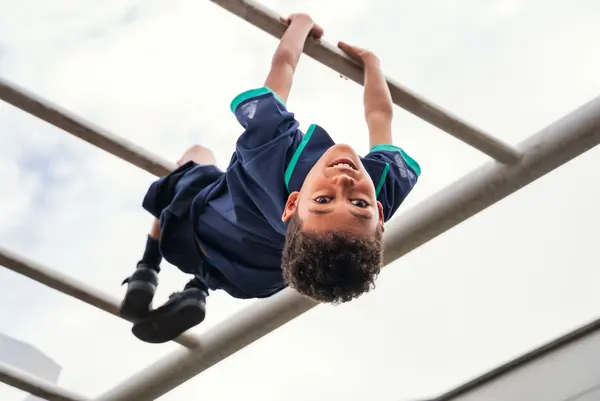
Generous play time, kept in the timetable rather than traded away when the term gets busy. Outdoor learning is woven into the day.

What we offer
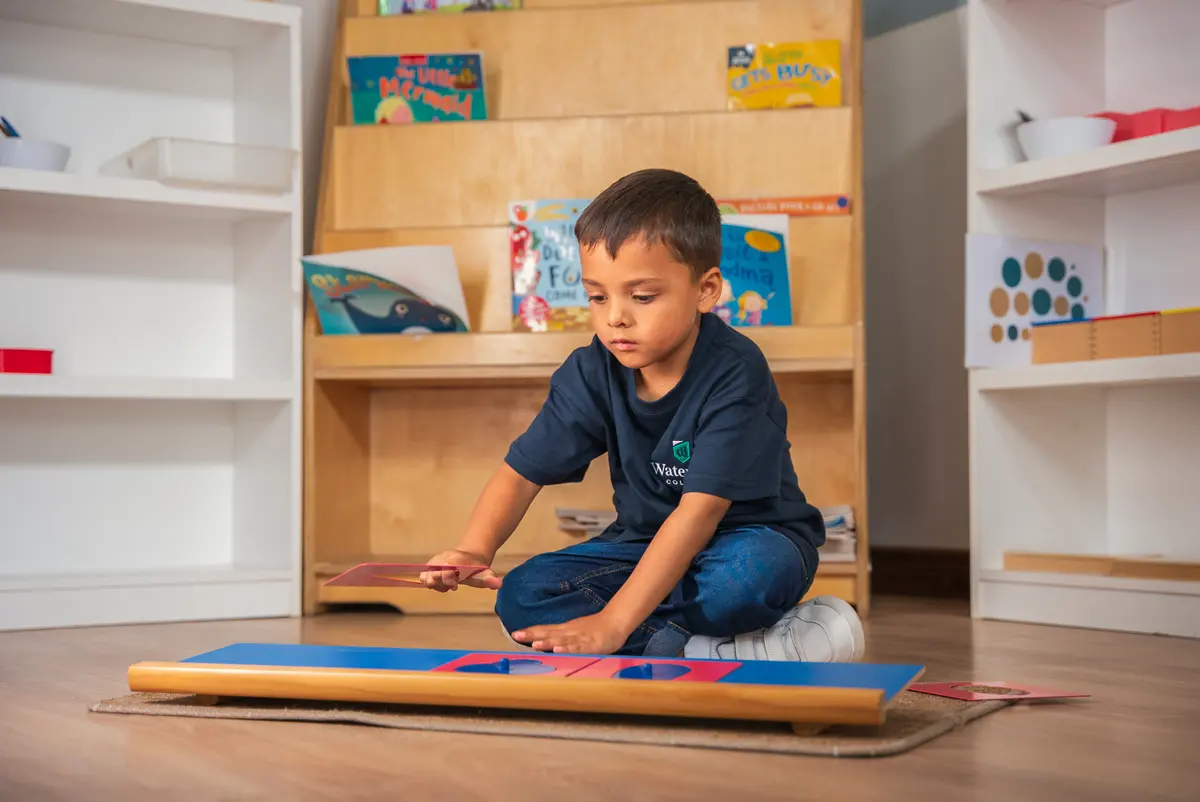
We teach the CAPS curriculum through genuine curiosity, hands-on discovery and real-world learning. The rigour is a given.
How we teach
Ours is called Wired for Wonder, and we measure whether children love learning, every term. That measure is not decoration. It tells us whether the approach is working, and it is the first thing we act on when it slips.
Our teachers are handpicked for one way of teaching and developed for it. We hire for it, we timetable for it, and we protect it, so it never drifts into activity for its own sake and never drifts into fluff either.
Generous play time, kept in the timetable rather than traded away when the term gets busy. Outdoor learning is woven into the day.
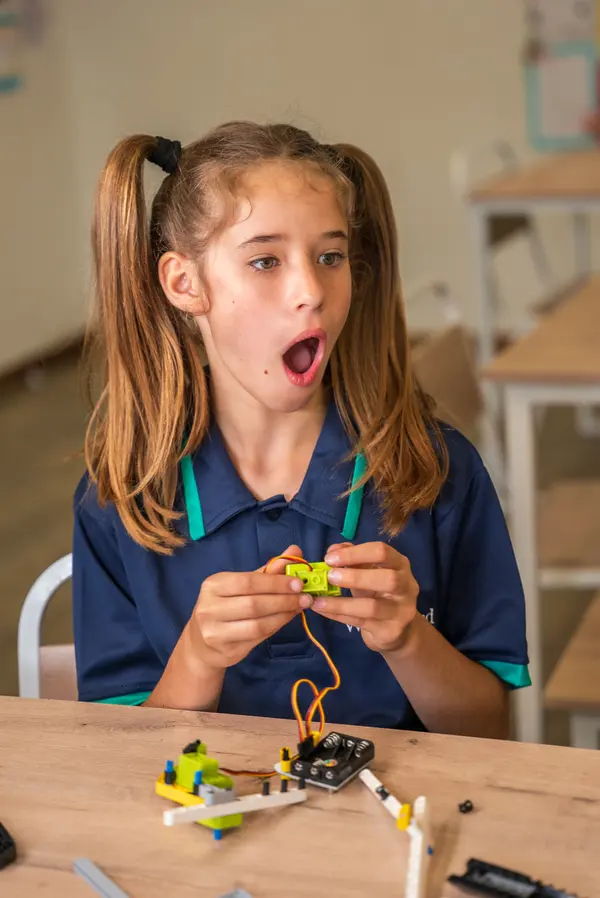
Understanding gets proved by building something with it. A science project produces a prototype. A maths lesson happens outside because that is where the problem is.
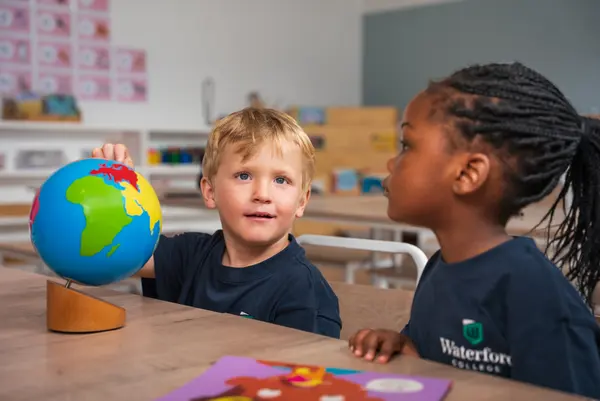
We check whether children are actually engaged rather than assuming it. If a task is dull, that is a problem to fix, not a rite of passage.
Assessment
Assessment here answers one question: what does this child need next? Sometimes that means checking in more often, not less. What matters is what happens with the answer. Tasks are richer, feedback is specific and quick, and a result is information for the teacher and the child before it is anything else.
Marks are never used to rank children against one another, or to perform for anyone watching. That keeps the pressure where it belongs, on the work rather than on the child.
Homework happens by exception, when the evidence says it helps, which in the younger years is rarely. That is a deliberate decision about where a child's evening should go.
A parent should be able to see, without a hard sell, that their child is learning well.
Sport and culture
Plenty of schools say sport is for everyone and then quietly build the programme around the children who are already good at it. We have made a deliberate decision the other way: the first measure of our sport and cultural programme is how many children are genuinely in it and enjoying it.
We still want to win, and we coach properly. But a child who tries a new code and is average at it has done the thing we care most about, and they will be treated that way. All of it is included in the fees.
| Season | Runs | Codes |
|---|---|---|
| Summer | Term 1, and the last six weeks of Term 3 | Swimming, athletics, tennis |
| Winter | Term 2, and the first half of Term 3 | Cross-country, hockey, soccer, netball, basketball |
| Year-round | All terms | Chess, drama, debate and public speaking, choir |
Codes are offered per phase and grow as the grades phase in. Preschool children do pre-sport skills rather than fixtures, which at that age is the right amount of competitive sport.
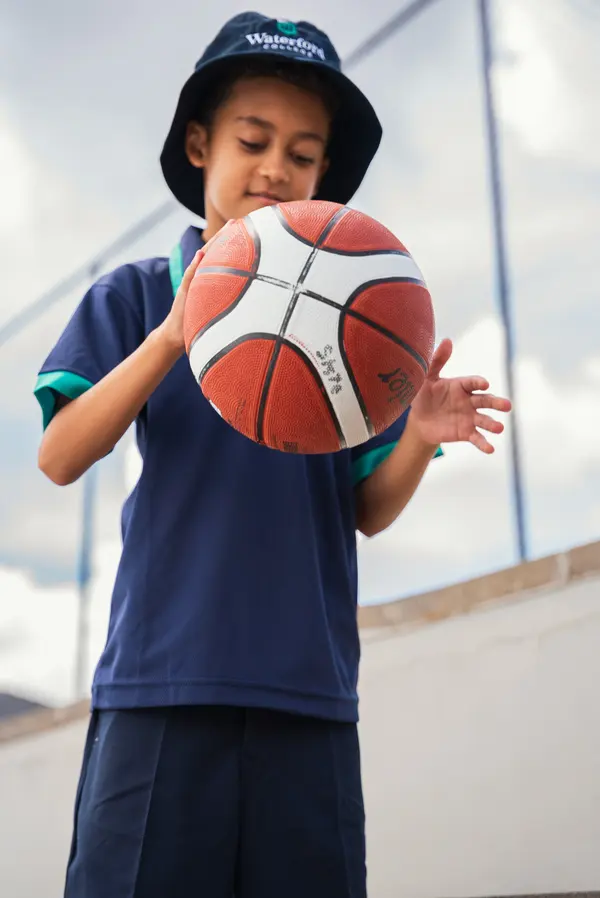
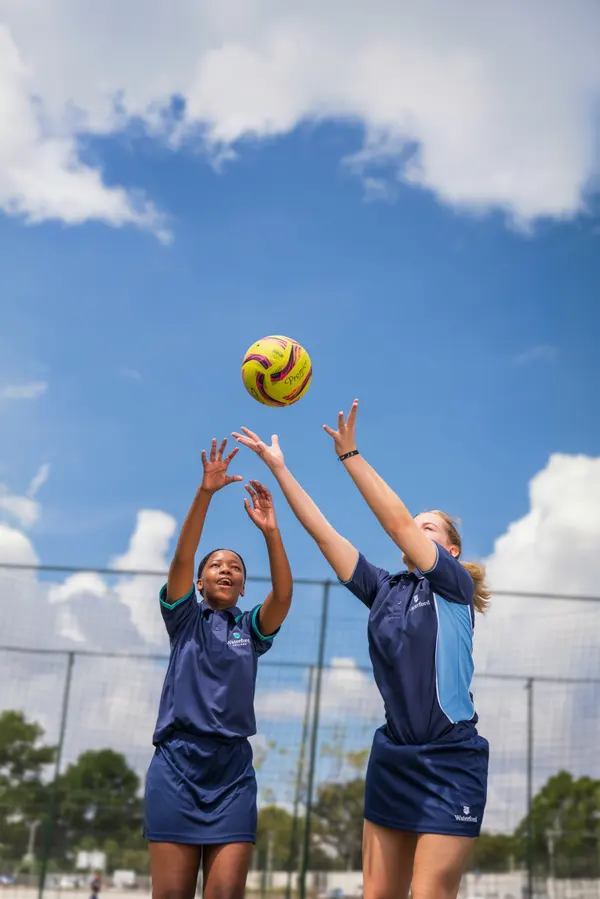
Netball, basketball, hockey and soccer, on three multi-courts and a full track and field, so several teams train at once rather than taking turns waiting.
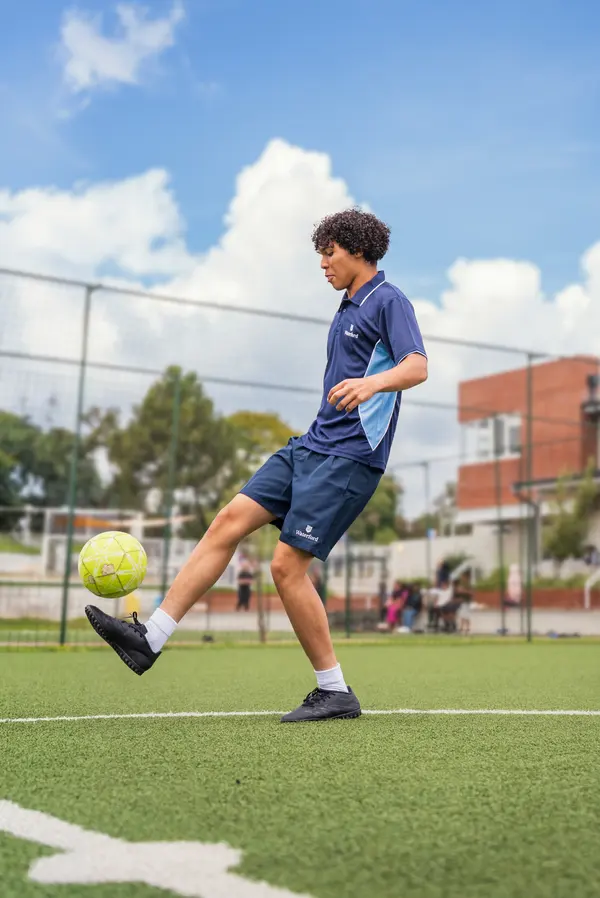
Soccer, hockey, netball, basketball and cross-country, with fixtures against schools around Fourways.
The campus pool serves both swimming and learn-to-swim, because swimming here is a life skill before it is a sport.
Every child supported
A child who starts to struggle is picked up by name, not by a report card three months later.
Social and emotional skills are taught deliberately, in class time, the way any other important thing is taught. Belonging is a condition for learning, not a nice extra.
Positive behaviour support with a restorative posture: children learn to repair what they break, in relationships as much as in things.
Tiered support means a child who starts to struggle is picked up before they fall behind, with targeted help and, where it is needed, individual intervention.
We are obsessive about who stands in front of your child. Every teacher is handpicked: qualified, experienced, and here on purpose. The quality of teaching across the ThriveEd network is the evidence that the process works.
The school day
The school day starts at 07:30, with drop-off from 07:00. Preschool families choose a half day ending at 12:00, a three-quarter day ending at 15:00, or a full day to 17:30. Grade R ends at 14:00 and Grades 1 to 3 at 13:30, Mondays to Fridays. High School ends at either 13:30 or 14:00, with sport and cultural activities after that.
Aftercare and holiday club are charged separately, so families who do not need them are not paying for them inside the tuition fee.
Aftercare runs for Grade R to Grade 3, extending up to Grade 7 as those grades open, and the rates are on the fees page. Preschool families choose a half, three-quarter or full day instead, with the full day running to 17:30.
Teaching is easier to recognise than to describe. Walk the campus with us and ask us anything.